Showing posts with label restaurant food trends. Show all posts

Saturday, 17 May 2014

GMO DEBATE: Mandatory GMO Labeling Will Raise Grocery Costs

Mandatory GMO Labeling Will Raise Grocery Costs
 - Blogs
Print


Heated legislation surrounding GMOs—specifically regarding mandatory labeling of products containing them—has heightened consumer awareness, calling on the food and beverage industry to take an active role in educating consumers about GMO ingredients.

In January, more than 200 businesses and organizations urged President Obama to require food companies to disclose GMOs on labels. The businesses and groups referenced a 2007 speech from the then Illinois senator that pledged he would grant consumers the right to know if GMOs are present in their food.

On May 9, Vermont Gov. Peter Shumlin signed the nation’s first no-strings-attached bill that requires GMOs in food to be labeled. Food manufacturers will have time to make the transition. Genetically modified foods will need to be labeled as of July 1, 2016. Nearly 30 states are considering similar legislation.

A pending bill in front of the New York State Assembly would make mandatory labeling law, but new research from Cornell University suggests mandatory labeling of foods with GMO ingredients would increase the cost of food for a family of four by about $500 a year, in addition to the millions of dollars it would cost the to implement and monitor labeling.

Gregory Jaffe, director, biotechnology project, Center for Science in the Public Interest (CSPI), Washington, D.C., said both the proponents and opponents of genetically-engineered (GE) crops have introduced diametrically opposed legislation on the issue of mandatory labeling of foods made from GE crops. He said it is unlikely that Congress will take up this debate in 2014.


The GMO debate continues with growing concerns from consumers.

Heated legislation surrounding GMOs—specifically regarding mandatory labeling of products containing them—has heightened consumer awareness, calling on the food and beverage industry to take an active role in educating consumers about GMO ingredients.

In January, more than 200 businesses and organizations urged President Obama to require food companies to disclose GMOs on labels. The businesses and groups referenced a 2007 speech from the then Illinois senator that pledged he would grant consumers the right to know if GMOs are present in their food.

On May 9, Vermont Gov. Peter Shumlin signed the nation’s first no-strings-attached bill that requires GMOs in food to be labeled. Food manufacturers will have time to make the transition. Genetically modified foods will need to be labeled as of July 1, 2016. Nearly 30 states are considering similar legislation.

A pending bill in front of the New York State Assembly would make mandatory labeling law, but new research fromCornell University suggests mandatory labeling of foods with GMO ingredients would increase the cost of food for a family of four by about $500 a year, in addition to the millions of dollars it would cost the to implement and monitor labeling.

Gregory Jaffe, director, biotechnology project, Center for Science in the Public Interest (CSPI), Washington, D.C., said both the proponents and opponents of genetically-engineered (GE) crops have introduced diametrically opposed legislation on the issue of mandatory labeling of foods made from GE crops. He said it is unlikely that Congress will take up this debate in 2014.

Jaffe is a featured speaker at Ingredient Marketplace, June 2-3, in New York, and will discuss the hot topic in his presentation, “Biotechnology and the Future of the Ingredient Supply Chain,"

Food Product Design had the chance to sit down with him to discuss why GMO ingredients are important in the supply chain and how companies can work toward absolving consumer concerns surrounding such ingredients.Click here to read the interview.

Friday, 9 May 2014

FOOD TRENDS: Hot & Spicy Flavors Heat Up Product Offerings

Hot & Spicy Flavors Heat Up Product Offerings
 - Blogs
Print

In celebration of Cinco de Mayo, it seems appropriate to take a look at the growth of hot and spicy food and beverage trends turning up the heat in new packaged food launches.

Flavor is an ever-changing variable that can be influenced by emerging global cuisines and evolving consumer preferences. The popularity of ethnic foods among U.S. consumers has been on the upswing over the past few years, and now, more than ever, Americans are moving out of their comfort zones to explore bolder flavors and more culturally diverse foods, opening the doors to endless flavor options for food product manufacturers and designers.

Demand for authentic hot and spicy ethnic flavors has dominated the food and beverage scene for a number of years, and there is no sign of it cooling down in 2014. According to Packaged Facts, 53% of U.S. shoppers like hot and spicy foods, rising to 58% for Generation Y. A recent Food Product Design “Survival Guide: Flavors" Digital Issue revealed evolving American palates take their dining cues from fiery and authentic flavors offered by Latin, Asian, African and Indian cuisines, and seek variety from all sources, including restaurants and processed foods.
Mintel estimates the ethnic food market will grow by 20.3 percent from 2012-17, likely driven by continued consumer interest and more focused product development. However, one of the most important factors fueling the hot and spicy ethnic cuisine is the growing Hispanic population that is projected to account for 60 percent of U.S. population growth between 2011 and 2016. U.S. Hispanics wield more than $1 trillion in purchasing power, and will spend approximately $9.5 billion in 2014 on food and beverage products.

Mexican chiles, such as green chiles and jalapeños, are now prevalent in a range of foods, including bagels, breakfast sandwiches, burgers, sandwiches, chips, snacks, condiments and dipping sauces. A recent article in the Wall Street Journal article explored how companies from Kraft to General Mills are embracing the hot and spicy flavor trend and making spicier versions of mainstream foods. According to the article, new understanding about how people who love spicy foods eat—and shop—is fueling the latest wave in making packaged foods hotter.

Some new offerings spicing up the retail aisles include General Mills’ Helper Bold, a version of its boxed line of pasta available in Spicy Chipotle Chicken Enchilada and other flavors; Old El Paso’s Cheesy Nacho and Chipotle Black Bean bowls; Bumble Bee’s canned tuna with chipotle or jalapeños; KIND Roasted Jalapeño bars; and Lay’s Flamin’ Hot potato chips and Sriracha chips. In the last year, Kraft introduced slice cheese with habanero peppers, Oscar Mayer Jalapeño and Cheddar Franks, Philadelphia Cream Cheese chipotle spread and Jalapeño Deluxe Macaroni & Cheese.

The hot and spicy flavor trend will continue to heat up new product launches in the next few years. Remember, everything in life deserves a little spice.

Sunday, 13 April 2014

FOOD TRENDS: Citric acid: How sour is becoming a chef’s new weapon

A studio illustration for a story about extracting citric acid from citrus fruits in the G&M studio in Toronto, Ontario on April 4, 2014 (Peter Power for The Globe and Mail)

Citric acid: How sour is becoming a chef’s new weapon

As far as It ingredients go, citric acid is an unlikely one – it’s the stuff found at the bottom of the bag of sour gummy candies. But the grainy, white powder’s ability to heighten flavours and bring balance to a dish – the supreme goal of good cooking – is turning it into an essential tool for the contemporary chef.


Citric acid occurs naturally in such fruits as limes, pineapples and gooseberries. The dry, powdered citric acid used as an industrial food additive since the early 19th century, however has a less appetizing source; it is manufactured using a mould that feeds on corn syrup glucose.
When Toronto chef Rebekah Pearse was a contestant on Top Chef Canada in its first season, she chose to include citric acid as one of just 10 items she was allowed to bring from home. She used it to make fresh ricotta and last-minute buttermilk by adding one teaspoon of citric acid to a litre of milk. Appealing to Pearse’s inner-science nerd, she says it has become one of her favourite ingredients: “People say, wow, how did you do that?”
Found in supermarket staples from sodas and teas, to juices and jams, it’s widely revered for its anti-bacterial, preservative and stabilizing qualities. Chefs have long held a stash of it, for instance to keep fruits and vegetables from oxidizing and turning brown while travelling from cutting board to table. But more and more chefs are wielding citric acid’s sour strength – the fairy dust of flavour amplification – in creative new ways.
Chef Kevin Mathieson, owner of Ottawa’s industrial-chic gastronomic café and patisserie Art is in Bakery, first experimented with citric acid back in 2000 during his apprenticeship at Peltier, a prestigious pastry shop in Paris.
He sprinkles a mixture of citric acid, icing sugar and salt over orange peel or wild blueberries before drying out the fruit for a week.
Using a coffee grinder, he blends it all into a powder that gets added to jellies inside chocolate truffles, infused into marmalade that gets slathered on brioche for a duck confit BLT sandwich, or dusted over crème fraîche as a garnish for a bowl of soup.
Citrus
“It gives everything a bright, zesty taste,” he says. “It also preserves the fruit’s natural colour.”When it comes to popular taste, sour is no longer a four-letter word, so to speak. An increased appetite for pucker-inducing and tangy flavours seems to run alongside several other major food trends including the rise of artisan sourdough breads, the new-to-North America sour beer sensation, ongoing interest in fermented and pickled foods that happen to be the perfect foil to the rich and fatty flavours of charcuterie, as well as the growing popularity of sour flavours associated with Asian and Mexican cuisines. “Look at the tamarind in pad Thai,” says Mathieson of the ubiquitous Thai noodle dish, “It’s got those same sour qualities as citric acid.”
At Bar Buca in Toronto, Chef Rob Gentile uses citric acid to brighten the taste of a low-acid berry sorbet. “It opens up the flavour,” he says. He also mixes it with water to make a solution that prevents finicky artichokes from oxidizing while they are being prepped and cleaned for artichoke crudo. Citric acid adds tartness where you don’t want to add liquid, he says, “We add lemon juice at the end so we can control the flavour.”
The popularity of citric acid among chefs doesn’t surprise Colin Leach, owner of the Silk Road, an online spice merchant with a shop in Calgary. He says he sells a “surprising amount” of citric acid and also uses it himself to create the shop’s spice blends. He sees the pursuit of perfect balance – a quest for capturing all five tastes in everything we eat – as the new orthodoxy in cooking. “If you making a barbecue rub for instance,” he says, “and you taste it and it feels like something’s missing, it’s usually something sour that’s needed. That’s where we’d use citric acid.”
Chef Robert Belcham, owner of Campognolo in Vancouver remembers using citric acid more than a decade ago to create a less-sweet “neutral” caramel and melting it into a lacy cage that lay over top of tuna tartare. These days he tends to use it directly on a dish as a flavoured salt to give food a dose of agrodolce, sweet and sour flavour. At Belcham’s bar, Campognolo Upstairs, nuts are cooked in simple syrup and tossed with butter, salt, two kinds of chili and citric acid.
“It’s a chef’s tool,” he says, explaining how citric acid allowed him to reinvent a popular bar snack. “First you taste sweet and nutty, then a bit of sour as you chew and it finishes with salt and heat. It transforms the way the dish plays out in your mouth.”
Greek ‘Vinaigrette’
“When I tasted this salad dressing for the first time, I didn’t know what citric acid was,” says Carlotte Langley, chef de cuisine of catering at the Storys Building in Toronto.
“I thought it was one miraculous vinaigrette.
“It’s super zingy and coats everything without being too wet. I was taught to make it by a Lebanese Parisian woman, the mother of the owner of a tiny café on Murray St. in Ottawa where I had my first kitchen job.”

500 ml of the loveliest olive oil in your cupboard
2 tbsp dry oregano
1 tbsp fresh oregano
1 tsp citric acid
250 ml of feta liquid
Whisper of pepper
Blend on high speed until smooth.
No salt is required thanks to the feta juice.

Saturday, 5 April 2014

AGRI-FOOD TRENDS: Five Hot Food Trends in 2014


Five Hot Food Trends in 2014

Posted: Updated: 
Print Article
At a travel writer, I eat out. A lot. Over the years, I've noticed trends on menus that are baffling (pork-belly, fried chicken, salty sweets), great if done right (Brussels Sprouts, kale) and niche (vegan). This year, I was invited to the International Restaurant and Food Show in New York City, and I happily accepted -- curious about the new kale, sprouts or sea-salt caramel coming down the pike.
There were over 500 exhibitors in the cavernous Javits Center representing eager food purveyors, culinary renegades, doggy bag crafters, vineyards, farms, all-natural soda bottlers, and kitchen equipment and furniture suppliers. Most offered samples. It was a very caloric day, but hey, all in the spirit of research. Product developers, mom and pop cooks, and professional chefs all offered their most promising sweets and savories.
What food trends are foodies embracing now? Which products caught my eye and taste-buds? Though hardly exhaustive, these fads and foodstuffs stood out:
1. One of the biggest trends is a proliferation in naturally flavored, low calorie, artisanal carbonated beverages, raw juices, and filtered sparkling water.
Bruce Cost Ginger Ale is made with 100 percent fresh ginger -- only 66 calories per bottle and sweetened with monk fruit.
2014-03-18-RipeBarJuice.jpg
Ripe Bar Juice, out of New Haven, CT eschews processed chemicals, using only organic, raw ingredients in their Bloody Mary and Margarita mixes. This company also bottles "Project Fresh" -- a variety of organic cold pressed craft juice perfect for cleanses.
2014-03-18-FoundBeveragCo.jpg
NY City-based Found Beverage Company features some of the best "infused sparking waters" on earth. My favorite is the pallet-cleansing Cucumber Mint.
Spindrift, from Boston, MA, offers "Fresh Squeezed Sodas," in flavors like blackberry, grapefruit, orange mango and half and half (tea and lemonade), sweetened with just a touch of cane sugar.
2014-03-18-AguaEnervivaFlavoredWater.jpg
I can attest to the effectiveness of Agua Enerviva flavored waters. An alternative to lab-made energy and sports drinks, this mostly natural (it's sweetened with Splenda) flavored water combines electrolytes and caffeine to keep you hydrated and alert.
2014-03-18-SaratogaWater.jpg
Let's not forget tried and true spring-fed bottled water. Saratoga leads the pack in its eye-catching bottle color and design.
2. Exotic and Natural Ice Creams:
Chloe's Soft Serve and pops are made with three ingredients: fruit, water and "a tough of cane sugar." The soft serve is amazingly creamy for a pure fruit ice cream.
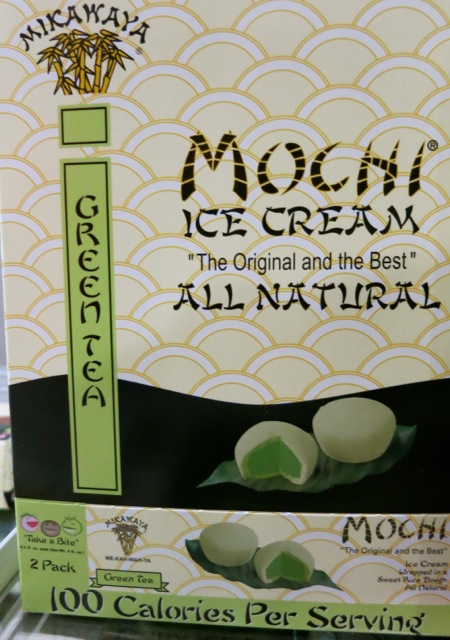
2014-03-18-MochiIceCream.jpg
Mikawaya Mochi: green tea and other flavored of ice-cream encased in chewy rice dough, Mochi is as sweeping a sensation as Bubble Tea was a few years ago.
3. Gluten free baked goods have evolved from those first-generation hockey pucks into something resembling real artisanal loaves.
Brooklyn-based Everybody Eats bakes light and airy bread that is both gluten and dairy-free.
2014-03-18-NoWayItsGlutenFree.jpg
No Way! It's Gluten-Free out of Jamaica, N.Y. bakes up moist and deceivingly non-gluten-y Veggie Muffins, dinner rolls and other sweet items.
4. Plant-based egg substitute. A revolutionary product, the brains at Hampton Creek Foods have engineered cholesterol-free fluffy-enough-for-omelet eggs out of a certain variety of the Canadian Yellow Pea plant. Currently, you can purchase Hampton Creek's non-dairy, non-soy, non-GMO creamy Just Mayonnaise at Whole Foods and Costco.
5. Honest to goodness sauces and jams from the earth, canned by folks far from Brooklyn.
2014-03-18-JerseyItalianGravy.jpg
Jersey Italian Gravy out of Ridgewood, NJ has only five, count 'em, five ingredients: vine-ripened tomatoes, onions, olive oil, salt and cane sugar. Just like Grandma's, if Grandma came from Jersey.
Beth's Farm Kitchen jams and chutneys are all cooked up in Beth's Columbia County NY kitchen. Hence the name. She uses over 39,000 lbs of fruit a year to create these wonderfully tasty condiments.
2014-03-18-CliftonDrySparklingAppleWine.jpg
My favorite homespun drink: from Finger Lakes region of NY, Cliffton Drywine-style sparking cider. With no added sugar, this slightly alcoholic beverage (5.5 percent) is just 95-110 calories per 12 oz bottle. Made from premium New York State apples, it drinks like a chardonnay rather than hard cider, and will be the perfect snappy accompaniment to kale salad on a hot summer's day.
My favorite food of the day: Honey Smoked Fish Co. The guys behind Honey Smoked Salmon have a right to be a bit bombastic. "This is the only superfood that's ready to eat," say co-owners Kevin Mason and Keith Jones. With the faintest touch of honey, this fish is moist, buttery and delicately smoked. Perfection. Good thing you can purchase a pound at Costco for just $13.99.
You'll find many restaurants using these ingredients and foodstuffs and lots of offbeat Northeast U.S. travel ideas on GetawayMavens.com.
Follow Malerie Yolen-Cohen on Twitter: www.twitter.com/malerieyolen

Tuesday, 4 February 2014

CANADIAN FOOD TRENDS: Chefs talk about food trends for 2014

CANADIAN FOOD TRENDS: Chefs talk about food trends for 2014


Mia Stainsby
Vancouver Sun
In an industry famous for crash and burns, it’s enlightening to snoop into the minds of successful restaurateurs and chefs in Vancouver. What do they see for 2014 and what are their resolutions and goals?

You can be sure they’re not resting on laurels. They’re noting trends, fickle customer behaviours and charting plans to keep moving along, improving and standing out.
It’s an industry where attention deficit disorder could work to their advantage. It’s not that Vikram Vij has been diagnosed but he can’t relax. When he does, he loses momentum, he says. Thus, not only is he one of the judges in Food Network Canada’s Chopped Canada (which premiered this month), he juggles several outstanding businesses. That includes two of the best Indian restaurants in the city (Vij’s and Rangoli), a production facility producing Vij’s Indian foods for retail, a new restaurant in South Surrey, My Shanti, set to open at the end of February, a larger, new Vij’s restaurant on Cambie St., building “dream he’s had since Day One” at the current Vij’s location and his partnership in the food truck, Vij’s Railway Express. Are we keeping up? He does not take credit, however, for Shanik, a Vij’s-like restaurant in Seattle. “That’s Meeru’s baby,” he says, referring to wife Meeru Dhalwala, who helms the food in all the restaurants.
Vikram Vij
Vikram Vij
From his vantage point, he sees chefs zeroing in on regions within a cuisine, whether it be Indian or Italian or Chinese or Malaysian. Affluence and travel have exposed urbanites to all corners of the world and they’re hungry to experience more of the world. “It’s like doing West Coast cuisine instead of Canadian. I also think chefs want to pay homage to where they or their grandparents may have come from,” says Vij.

Abhishek Roy, chef/owner of Atithi Indian restaurant (a charmer), Vij says, is planning to tweak his menu towards Bengali cuisine. “He knows the spices and can take it to a new level,” says Vij, of Roy’s evolving menu.

2014 is a watershed year for Vij personally. “I don’t want to come across as arrogant but when I opened Vij’s 20 years ago, I said to myself that by the time I’m 50, I would have five projects under my belt, one for each decade of my life.” He turns 50 in December. By then, he will have achieved that and he’s not counting the food truck because he’s in a partnership.

“From ages 50 to 60, I’m going to fine tune my projects so they’re perfect and then I’ll enjoy the fruits of whatever I’ve done. But this is my biggest year.”

A more modest goal is to add delicious non-alcoholic cocktails to Vij’s drinks list. “People are becoming more conscious of drinking habits. I want the non-alcohol cocktails to show ingenuity, maybe fruit jams topped with bubbly water. It’s got to be delicious.”

Fable Kitchen owner/chef Trevor Bird went into 2014 with a breakfast trend he expects to explode. In the U.S. and some Latin American countries, it’s the acai berry bowl, which is like an acai (a-sai-yee) sorbet topped with granola, fruit and honey. On vacation in Hawaii over Christmas, he had an acai berry bowl seven days in a row for breakfast. “We had to wait a half-hour in a lineup for it,” he says. “It’s crazy how many people are eating it.”

It’s like an ultra thick smoothie with frozen berries, frozen bananas topped with more berries, honey, granola and it’s eaten with a spoon. He’s put it on his brunch menu, subbing blueberries for acai since frozen acai berries and calling it the Fable Bowl.
He’s also jumped aboard a trend that’s set for takeoff — the rooftop restaurant garden. He’s grown some vegetables on his rooftop, mostly to show his cooks the taste of really fresh produce but he’s moved on this year to start making his own honey on the same rooftop.

He sees the “rampaging demand” gluten free, vegan dishes growing along with people’s food sensitivities. “There’ll be more customization of menus and maybe build-your-own menus,” he says.

He predicts price increases on menus. “We have the best and cheapest food (compared to world cities),” says Bird. “Vancouver diners are always demanding cheap, good food but in the U.S., tasting menus start at around $100. However, he won’t be raising prices at his restaurant.

Family-style dining, where groups share a big order or platter, will be popular, he says. “We do family style orders like pork done five ways, whole ducks, fish done two ways and sharing apply platters. When there’s a gothic meat dish on the table, it’s good for conversation. It’s like holy sh–, this is awesome.”

He’s also planning on going steady with a farmer or two. “I’d like to streamline relationships and get farmers growing for me and maybe partnering with a farmer,” he says.

Since we are post-recession, he’d like to see more creative upscale restaurants return. “We had West and Lumiere and then the recession happened and we went to comfort and cheaper prices. “

That said, comfort food is here to stay but he’d like to see it re-imagined and taken further. And vegetables, he says, are entering their glory days. “We no longer have to be protein-centric like when I went to cooking school. The onset of new vegetarian restaurants will push chefs more,” he says.
David Gunawan, chef and owner of Farmer’s Apprentice, says it’s not just about ambience and food anymore, that top-tier international restaurants like Noma, Faviken, Coi, Relae, Atala, In De Wulf and Manresa want “poetic stories and narratives guiding their restaurants.”

His plan, however, is to be more biodynamic and even more local and connected to farmers than he already is. “We’re searching for more heirloom seeds to grow and I’ll be installing a live tank to ensure freshness of my seafood,” he says.
Acorn vegetarian restaurant  chef/owner Brian Skinner leaves stir-fries, vegetarian burgers and lasagnas dying in the dust and has set the highest bar yet for vegetarian cuisine with refined vegetarian dishes (like ricotta gnocchi with coffee scented celeriac purée and hazelnuts).
Brian Skinner of Acorn.
He’d love more competition. “I’d like to see more health-focused high-end dining. There are lots of restaurants on the U.S. West Coast that don’t use butter or cream at all, instead, cook with unprocessed local oils and heart-healthy coconut fat. Well prepared high-end food doesn’t need foie gras, duck fat and cream to be delicious.”
Also on his 2014 wish list is a non-GM food push. “This year started well with Richmond banning the production of genetically modified plants and crops, joining other communities around B.C.,” he says.

As a chef, he wants to intensify the farm-to-table way of cooking. “I’d love to create more ingredient-driven dishes. My focus has been to source great produce locally but with specific dishes in mind. I’d love to ask farmers what they are most excited about, take the most interesting produce and build a dish around that,” he says. “It would encourage me to considered ingredients I may not have, otherwise. I’d let the ingredient inspire me.”

Tanis Ling, of Bao Bei Chinese Brasserie and a mover and shaker behind the resuscitated Vancouver Chinatown Night Market, echoes Vij’s prediction that cuisines will go more regional. She sees it in Chinese cuisine with restaurants branching into Hunanese, Shanghainese. However, she also sees Asian restaurants going fustian. “Korean, Filipino, Chinese, Vietnamese — there’s easy access to ingredients now,” she says.

It’s more wishful thinking than prediction, but Ling hopes the farm to table menus will become so normal, it’s no longer a marketing feature as it seems on some menus. “It shouldn’t be a trend. When we opened four years ago, it was difficult but now there’s an abundance of local resources.”

Her goal for Bao Bei this year is to take the intimidation out of some traditional Chinese dishes for her non-Chinese customers. “I’ve been obsessing about it for year,” she says. She’s talking salted duck eggs, thousand-year-old eggs, fermented tofu, pork or duck blood cake and pork floss. (The latter is a dried pork with the texture of cotton candy, also known as pork sung or rousing). “I’m dying to experiment with making these things ourselves or at least find a local producer. There is one guy in the city making his own thousand year old eggs; I’ve tasted them and they’re rich and creamy, not like the store bought kind at all. I’m waiting for him to perfect his recipe,” Ling says.

She’d also like to nail the restaurant’s congee dish. “We’re limited because of the limitations of the small kitchen but we want to perfect it,” she says. And, she hopes to start a blog, “highlighting what we’re interested in and writing about anything food related and fun.”
Bao Bei congee
Bao Bei congee
2014 promises to be a year where the small, local farmers gets lots of love and begin to call the shots as to what goes on the menu. Adding to the dizzying love of local, let’s hope to see more rooftop gardens. In New York City, at least six restaurants harvest crops as well as eggs from chicken coops and honey from beehives from their rooves. Roberta’s, a crazy-popular N.Y. pizzeria runs a selfie garden blog, showing what’s growing and what’s fresh.

The restaurant industry is a big-hearted one, joining in on numerous fundraisers and giving back to the community. I’m really impressed with a trend of do-good restaurants gaining momentum, especially as the condos and bourgeoisie push into the Downtown Eastside. I’m talking about the likes of the non-profit East of Main, which funds a theatre program for neighbourhood kids, Lost + Found, which is a base for fundraising for needy children in India, Save on Meats with community projects and East Van Roasters, a non-profit café with coffee and chocolate that trains and employs women in the Downtown Eastside.

Smart operators like Bao Bei’s Ling know when to leave well enough alone. She’s not implementing drastic changes to a her popular little restaurant except to tweak the congee into amazing-ness and give sex appeal to some traditional Chinese dishes. She’s taking the words of a customer to heart: “Bao Bei is like a little jukebox.” You can’t beat that.

FABLE’S BERRY BOWL: RECIPE

Trevor Bird, chef/owner of Fable, duly noted the acai berry bowl craze on his travels in the U.S. and got hooked himself. Now he serves a similar healthy dish on his brunch menu. A tough Vita Mix blender does the best and smoothest job but a regular blender will do the job. Instead of frozen acai berries, he uses local frozen blueberries, which, like acai, are incredibly nutritious.
1 cup (250 mL) frozen blueberries
1 frozen banana
1/4 cup (60 mL)almond milk
4 mint leaves mint
1 cup (250 mL) granola
Slice bananas, berries for topping
4 Tbsp (60 mL) liquid honey
Blend blueberries, banana, almond milk and mint until it has a sorbet-like texture. Divide into two bowls. Sprinkle granola, fresh fruits or berries on top and drizzle with 2 tablespoons (30 mL) honey in each bowl.
Makes 2 servings
Check out my new e-book entitled: Social Media Marketing in Agri-foods - Endless Profit and Painless Gain


The book is available on Amazon and Kindle for $4.99 USD. Visit amazon/Kindle to order now:
http://www.amazon.ca/Social-Media-Marketing-Agri-Foods-ebook/dp/B00C42OB3E/ref=sr_1_1?s=digital-text&ie=UTF8&qid=1364756966&sr=1-1

Thanks for taking the time